National Security Move India Invokes Emergency Powers to Mandate Real Time Energy Data Sharing
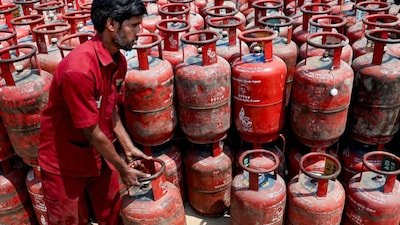
In a decisive response to the escalating West Asia conflict, the Government of India has invoked the Essential Commodities Act, 1955, to gain total oversight of the country’s oil and gas supply chain. Under the new “Petroleum and Natural Gas Order, 2026,” all entities including public and private refiners, LNG importers, and pipeline operators are now legally mandated to share granular, real-time data on production, stocks, and exports with the Petroleum Planning and Analysis Cell . This emergency directive overrides all existing commercial confidentiality clauses, turning the PPAC into a powerful regulatory watchdog aimed at preventing hoarding and ensuring the “equitable distribution” of fuel as global supply lines through the Strait of Hormuz face unprecedented disruptions.
The move comes as retaliatory strikes on energy infrastructure in Qatar and Saudi Arabia threaten India’s primary sources of LPG and natural gas. By centralising this data, the Ministry of Petroleum and Natural Gas intends to implement a strict four-tier priority system, guaranteeing 100% supply to households and essential services while potentially curtailing non-priority industrial use. While the government maintains that current crude reserves are adequate, the invocation of criminal penalties for non-compliance underscores the gravity of the situation. This “war-room” approach to data transparency is designed to shield Indian consumers from severe shortages and price volatility as the nation navigates its most significant energy security challenge in decades.