The Glucose Rollercoaster Why Prediabetes Can Cause Both High and Unexpected Low Blood Sugar Symptoms
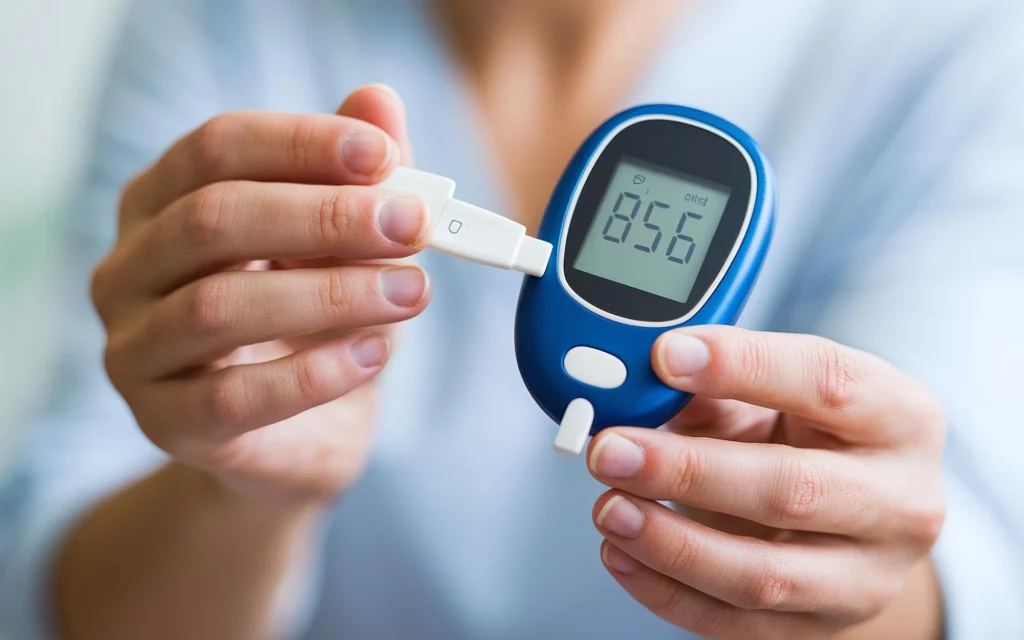
While prediabetes is primarily categorized by higher-than-normal blood sugar levels that do not yet reach the threshold for type 2 diabetes, medical experts warn that the condition can cause sudden, paradoxical drops in glucose. According to Dr. Vijay Negalur, Head of Diabetology at KIMS Hospitals, Thane, this extreme fluctuation stems from an early-stage malfunction in the body’s glucose management system. In individuals dealing with insulin resistance, the pancreas often panics after a carbohydrate-heavy meal and overcompensates by pumping out far more insulin than necessary. This hyperinsulinemia (excess insulin production) can trigger a rapid, sharp crash in blood sugar levels just a few hours after eating, a phenomenon known as reactive hypoglycemia.
While true, clinically dangerous low blood sugar is rare in prediabetes, the rapid drop is severe enough to cause people to experience debilitating symptoms like shakiness, sweating, fatigue, heart palpitations, and light-headedness. Experts emphasize that prediabetes should be treated as a crucial, reversible wake-up call rather than an inevitable progression to diabetes. To stabilize the glucose rollercoaster and prevent these sharp peaks and valleys, diabetologists recommend a lifestyle overhaul focused on eating well-balanced meals that combine complex fiber, lean proteins, and healthy fats, alongside achieving at least 150 minutes of moderate-intensity exercise per week to actively restore the body’s insulin sensitivity.